

YOUR DATA DESERVES BETTER THAN VEEAM

DIY your crafts, not your data security.

Druva simplicity that’s built in, not pieced together.

druva-logo
veeam-logo
One SaaS platform Infrastructure overhead
Fully Managed SaaS. Zero infrastructure.

No patching or platform updates.

Distinct Architectures for Varied Workloads.

Requires customer-deployed infrastructure for Veeam Data Platform; Veeam Data Cloud only supports Azure-native workloads.

Unified Platform for All Workloads.

One platform for M365, GWS, AWS, Azure, Datacenters, endpoints, and more.

Distinct Platforms are Required for Various Workloads.

Veeam Data Cloud supports only Azure VMs, M365, Entra ID, and Salesforce. Need separate tools for AWS, GWS, endpoints, and on-premises.

Storage Included and Optimized.

Global dedupe, fast local recovery, and built-in Druva-managed cloud storage.

Operational Complexity from Separate Storage Models.

Customer-managed storage for Datacenter workloads, and Veeam-managed storage for supported Cloud Apps and Azure.

No Infrastructure Dependencies.

Druva handles backend scale, compliance, and DR.

Multiple Configurations and Models.

Mix of SaaS (VDC) and self-managed (VDP) creates operational inconsistency.

Unified console Complexity and sprawl
One UI for All Workloads.

Unified backup and recovery with advanced security: anomaly detection, IOC-based clean recovery, and centralized policy management from a single dashboard.

Multiple UIs.

Veeam Data Cloud, VBR, Backup for AWS, etc. require switching and duplicated setup.

Define Once. Apply Everywhere.

Cross-cloud, cross-region policy automation saves time.

Manual Sync Across Tools.

Separate policy engines per product adds risk and complexity.

Zero Maintenance.

Druva handles scaling, patching, and availability.

Admin Burden.

Veeam requires manual upgrades, patching, and version control across each deployment.

Designed for Simplicity.

Single experience across workloads shortens time-to-value.

Inconsistent Experiences.

Different UIs, terminology, and config methods by product.

All-In Cyber Resilience Missing Security Tools
Built-in Managed Data Detection & Response (MDDR) and Clean Restore.

No extra tools required for cyber recovery or scanning.

No MDDR or Clean Restore Capabilities.

Scanning tools vary by workload. Malware removal is often extra.

eDiscovery and Legal Hold Built-In.

Enable governance directly from backup data.

No Compliance Functionality.

Veeam Data Cloud lacks legal hold or discovery capabilities.

24/7 Support + Cyber Response Included.

MDDR and threat experts are available with every plan.

Requires Third-Party Services.

Coveware for cyber incident support. Monitoring is self-managed or outsourced.

Clean Restore DIY Restore
Restore Clean. Stay Clean.

On-demand malware scans ensure safe recovery points.

Restore At Your Own Risk.

Different scanning tools across workloads. Malware removal extra. No self-service rollback tools.

Fast, Automated Recovery.

Curated snapshots and rollback help you bounce back quickly.

Manual, Messy Recovery.

No guidance or automation for post-attack scenarios.

Why Druva?

Druva provides fully-managed backup, cyber resilience, and compliance  for Microsoft 365, Azure, AWS, and hybrid workloads in one cloud-native solution.

  • Built-in ransomware protection, legal hold, eDiscovery, and cyber recovery for M365
  • Agentless and immutable backup, proactive threat hunting, and rapid recovery across Azure and AWS cloud-native workloads
  • All-inclusive pricing and no egress fees
Druva vs. Veeam.

Safe Data? Not with Veeam's CVEs.

Druva vs. Veeam Data Cloud.

What's Veeam Really Costing You?

Balancing Hidden TCO Isn’t a Flex.

Real Customers That Moved On from Veeam.

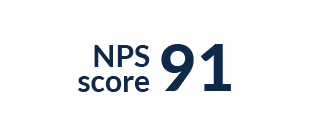
nps 91
Druva's score for
customer support

Ratings are as reflected on the review sites as of June 5, 2025
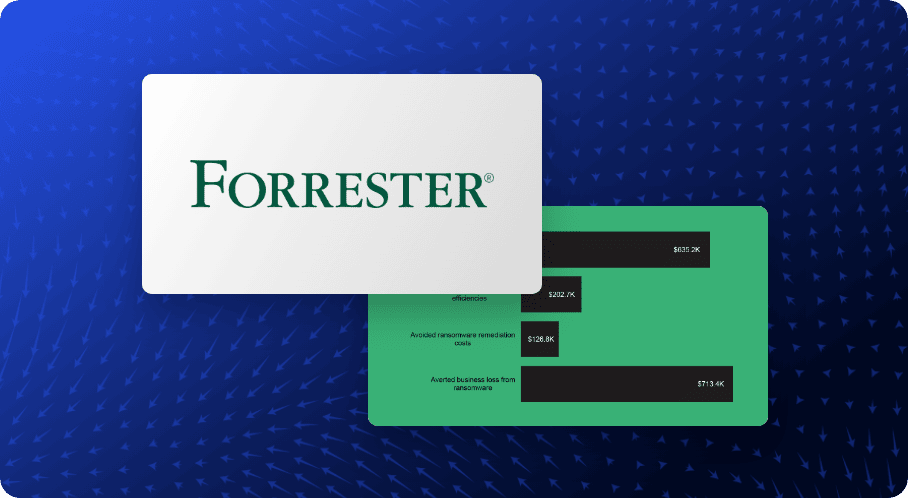
Explore how Druva customers achieved over 200% ROI in the 2024 Forrester Total Economic Impact (TEI) report.

Veeam vs. Druva FAQ:

Get the facts on cloud vs. legacy

Cloud services like Druva eliminate the need for upfront expenses on hardware and infrastructure — businesses pay only for the resources they consume in the cloud. This scalability prevents overprovisioning. Additionally, cloud providers benefit from economies of scale, reducing individual organizations' expenses. Maintenance, updates, and admin costs are removed as well, as these responsibilities are shifted to the service provider.

Cloud solutions like Druva enable quicker data recovery compared to on-premises setups like Veeam. Cloud providers offer automated backup, geographically dispersed data centers, and snapshot capabilities, ensuring redundancy and minimizing downtime. Scalability allows instant resource allocation during recovery. In contrast, on-premise solutions require manual backups and often have hardware limitations, leading to longer recovery times.

SaaS solutions like Druva are often more secure than on-premise setups like Veeam due to the robust measures they implement, i.e. advanced protocols, encryption, and continuous monitoring. With dedicated security teams, they can respond rapidly to threats. Additionally, reputable cloud services adhere to strict compliance standards, a level of security that might be challenging for organizations to achieve on their own premises.

SaaS solutions like Druva cater to diverse business sizes efficiently. Large enterprises benefit from the scalability to handle various workloads and optimize costs through pay-as-you-go pricing. Small businesses appreciate the accessibility to advanced technology without hefty upfront investments. Both leverage the flexibility, collaboration tools, and seamless scalability, and tailor resources to match their requirements.

Cloud solutions like Druva seamlessly integrate with hybrid environments, accommodating data on-premises and in the cloud. This flexibility enables data migration, sharing, and processing across platforms, fostering cohesive and scalable protection. Organizations leverage the benefits of cloud services while maintaining control over sensitive or legacy data stored on-premises, achieving a balanced and efficient IT ecosystem.