Detect known and emerging ransomware with behavioral analysis and automated forensic validation that confirms encryption impact and helps identify clean recovery points.



Protection for modern threats
Block external threats, rogue admins, and insider threats to back up data with a SaaS platform that is always secure, up to date, and monitored 24/7.

Readiness with global intelligence
Get a centralized view of your data security posture, anomalies and risks, powered by unique insights into local and global security trends.

Advanced threat monitoring
Search backups for ransomware and indicators of compromise (IoCs), quarantine infected data, and cleanly recover at scale.

Accelerated recovery with automation
With Cyber Recovery Runbooks, extend recovery beyond clean data restore — help teams orchestrate, validate, and prove trusted recovery at scale.

Managed data detection and response (DDR)
Fully managed monitoring, detection, response, and recovery. With expert assistance every step of the way, bounce back from any threat with ease.

Secure digital identities
Bridge the gap between identity management and cyber recovery with unified protection for Okta, Entra ID, and Active Directory.
Related Content
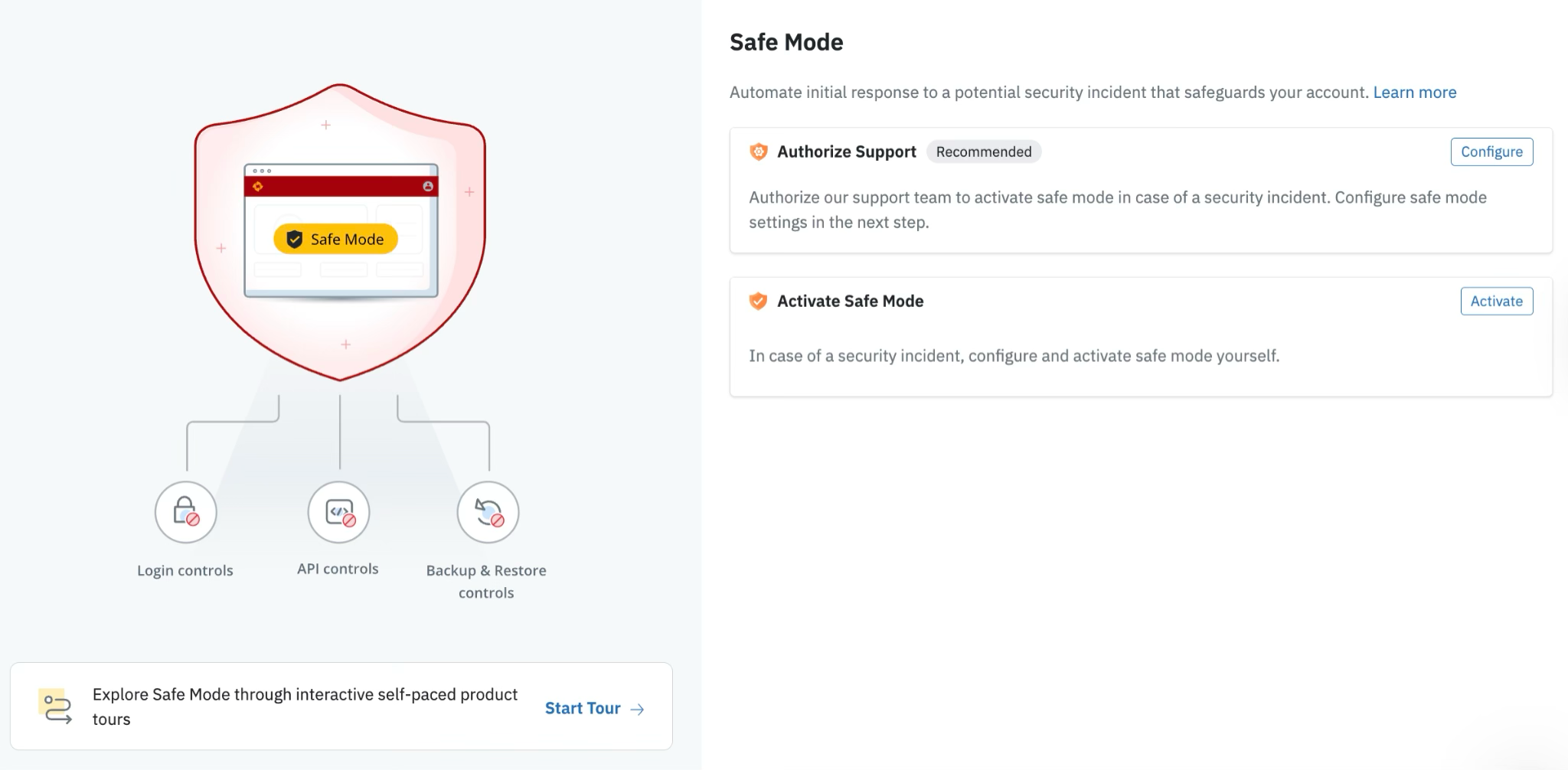
24x7 AI-driven threat detection and instant containment to protect backup data from attacks and unauthorized access.
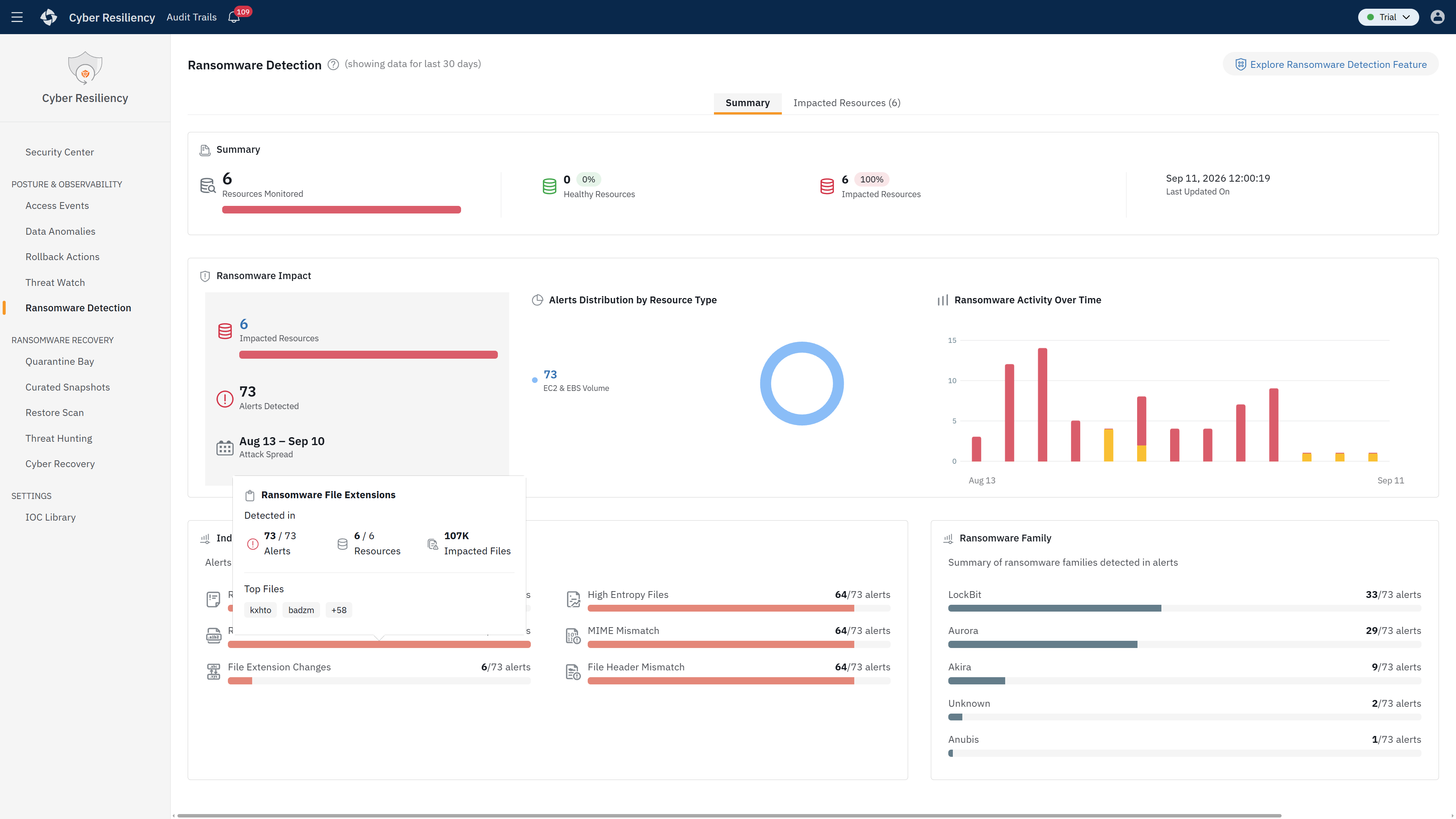
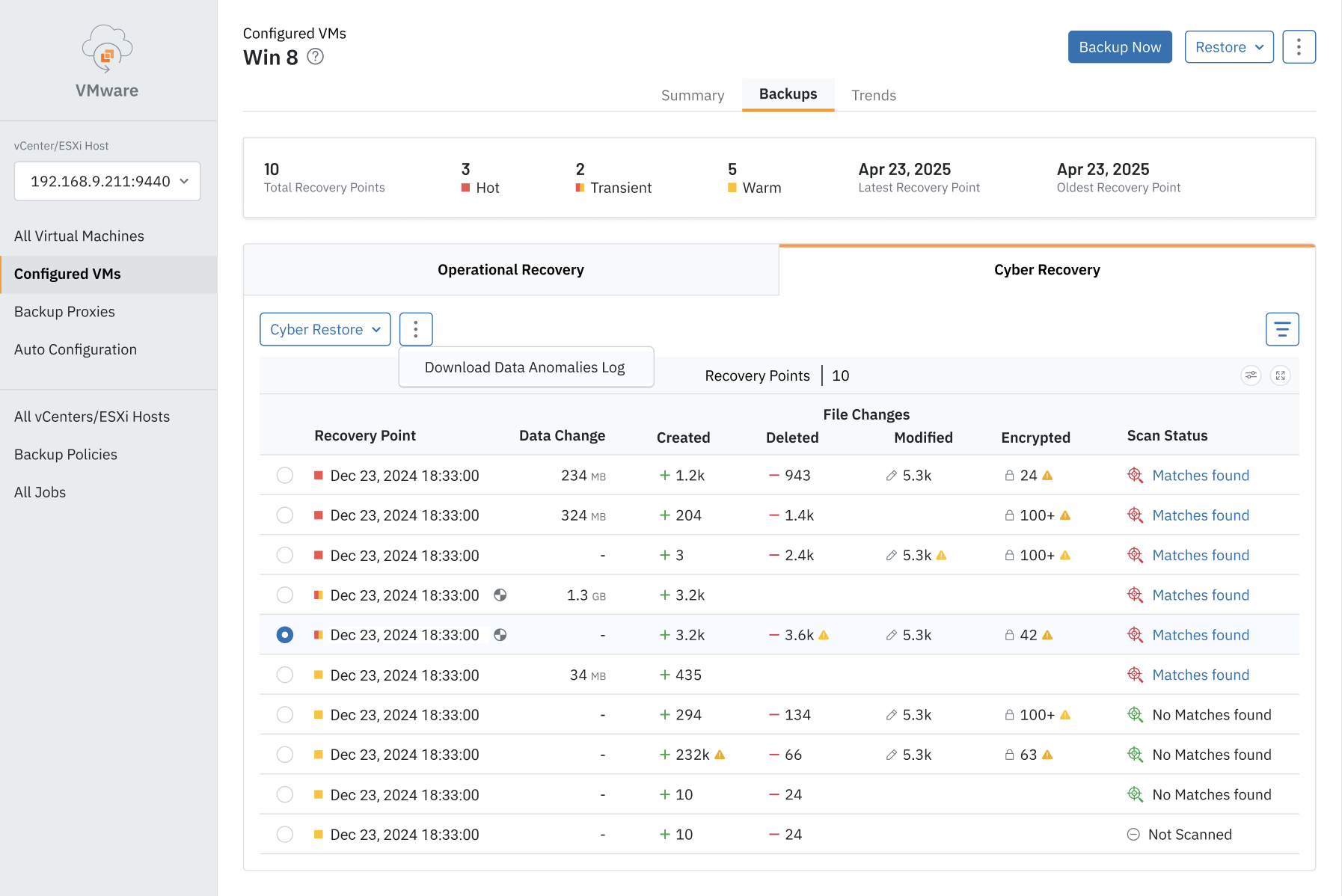
Quickly identify safe restore points with visual insights into anomalies, IOCs, and encryption activity for faster, reliable ransomware recovery.
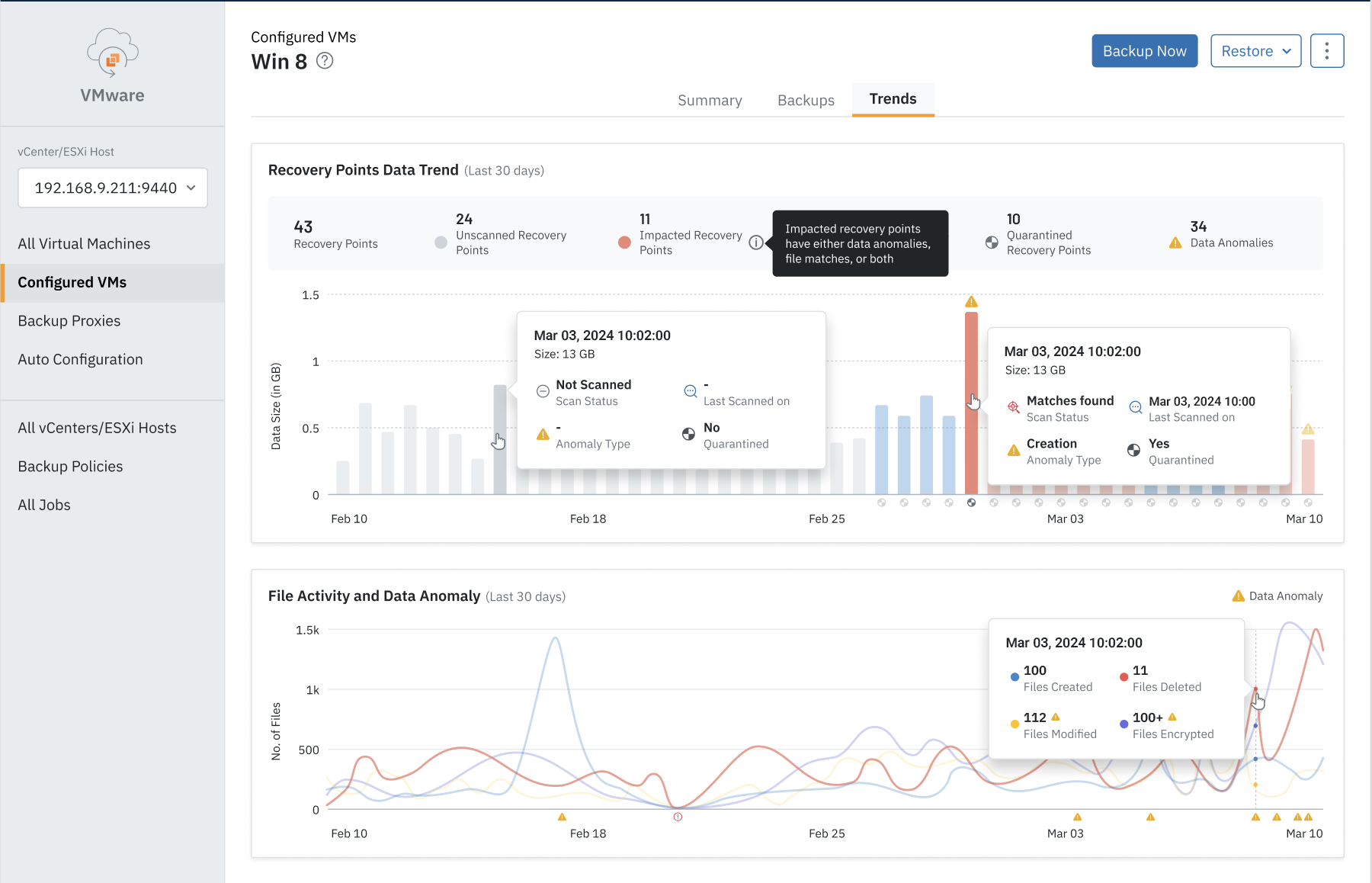
AI/ML-powered anomaly detection uncovers ransomware by spotting deletions, changes, or encryption across endpoints, VMs, and cloud workloads.








Cyber resilience FAQ
Cyber security, in general, refers to a company’s ability to protect against and avoid attacks from ransomware, malware, or other threats from an external bad actor. On the other hand, cyber resilience refers to the company’s ability to mitigate damage and get mission-critical systems up and running quickly following a breach. Cyber resilience can refer to both external threats, such as hackers and ransomware, as well as internal threats like accidental deletion.
Prioritizing cyber resilience helps your organization in numerous ways:
- Maintaining business continuity: Being prepared for threats ensures that you protect your business from unnecessary interruptions, and get things back on track with minimal downtime.
- Keeping customer data safe: Failure to keep customer data safe can trigger fines, litigations, and diminished customer confidence in your business.
- Adhering to data protection and compliance regulations: Cyber resilience helps ensure your organization remains compliant with data management regulations such as GDPR, CCPA, HIPAA and others.
- Gaining customer trust: A robust cyber resilience framework will help to build customer trust that you have safety measures in place and are vigilant in protecting their data at all times.
Related Resources
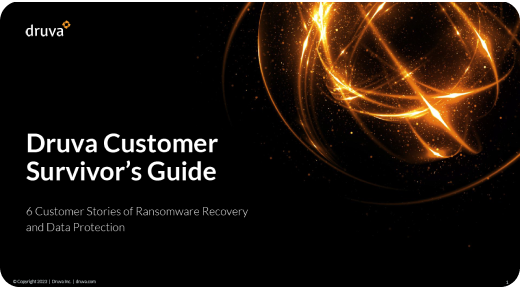
eBook
Learn from 6 Druva customers how they were able to respond and recover from ransomware, bouncing back without losing data
Resource
Total coverage. Zero compromises. Up to $10M. Druva offers the industry’s first Data Resiliency Guarantee to ensure your data against cyberthreats.
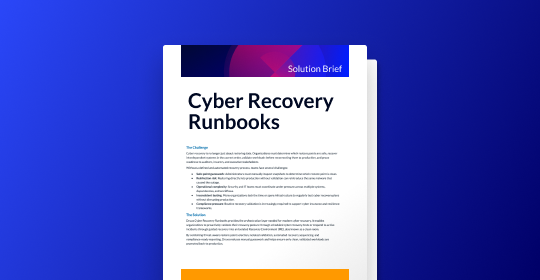
Datasheet
Turn static recovery plans into executable workflows for scheduled testing, live incident recovery, isolated validation, and audit-ready reporting.